
DUI / Impaired Driving
DUI Aggravated & Mitigating Factors
DUI Legal Resources
- Overview of DUI & Charges
- Impaired Driving Causing Death
- Impaired Driving Causing Bodily Harm
- Aggravating & Mitigating Factors
- DWI vs DUI
- Ignition Interlock Devices
- Ignition Interlock Program
- Entering Another Country with a DUI
- Pardons (Record Suspensions)
- Court Process
- Must You Attend Court?
- Background Checks
- Car Insurance Increases
- First Time DUI with Accident
- Second DUI Offence
- Third DUI Offence
- Avoiding Jail Time After Third DUI
- Drug Impaired Driving
Aggravated vs. Standard DUI
A standard DUI occurs when you are found driving with a BAC over the legal limit. An aggravated DUI is more severe. This charge can arise under specific conditions like having a very high BAC, driving with a minor, driving on a highway or causing an accident.
Key Differences:
- Standard DUI: BAC over 0.08%
- Aggravated DUI: High BAC, child in vehicle, driving on a highway, or accident
Aggravated DUI’s often lead to harsher penalties, including longer jail terms and larger fines.
Aggravating Factors
Aggravating factors make a DUI case more serious and can lead to harsher penalties. Common aggravating factors include having a BAC significantly above the legal limit, which is 0.08% in Canada. Driving with a BAC of 0.16% or more is considered to be an aggravating factor and will result in more severe consequences.
High speeds, reckless driving, and causing an accident also aggravate a case. If children are present in the vehicle during the DUI incident, it can further worsen the situation. Impaired driving on a highway is also considered to be an aggravating factor. Prior DUI convictions add to the severity, especially if they happened recently. Having one or more prior DUI convictions will generally result in escalating mandatory minimum jail terms.
Aggravating factors are taken seriously by courts and can lead to increased fines, longer jail sentences, and extended licence suspensions.
Mitigating Factors
Mitigating factors can reduce the severity of DUI charges and penalties. First-time offenders often benefit from these factors. If the driver has a clean criminal record, it might lessen the severity of the charges. A lower blood alcohol concentration under 120 mg% is also considered to be a mitigating factor. Cooperation with law enforcement at the time of arrest also serves as a mitigating factor.
Participation in alcohol education or treatment programs can positively impact the case. Demonstrating remorse and taking responsibility for actions may also help. Courts consider these factors when determining the final penalties, potentially resulting in reduced fines or shorter jail time.
Frequently Asked Questions
DONT DELETE THIS
Your content goes here. Edit or remove this text inline or in the module Content settings. You can also style every aspect of this content in the module Design settings and even apply custom CSS to this text in the module Advanced settings.
What are the recognized mitigating factors in Canadian DUI cases?
Judges consider several mitigating factors. These can include a lack of prior criminal record, lower blood alcohol concentration readings, circumstances of emergency, or if you show genuine remorse. Cooperation with law enforcement and participation in rehabilitation programs may also be seen favourably.
Which factors are considered aggravating in a DUI offence under the Canadian Criminal Code?
Aggravating factors can make your sentence harsher. These include having a high blood alcohol concentration (BAC), causing an accident or injury, impaired driving on a highway and prior DUI convictions. Driving with a minor in the vehicle or refusing to provide a breath sample also count as aggravating factors.
Can you list examples of circumstances that may aggravate penalties for impaired driving in Canada?
Several circumstances could lead to stricter penalties. These include driving at high speeds, being involved in accidents, attempting to flee from the scene, and driving without a valid licence. Causing harm to pedestrians or other drivers can also severely increase penalties resulting in lengthy jail terms.
In what ways can previous driving under the influence convictions affect current DUI sentencing as an aggravating element?
A history of DUI convictions typically leads to more severe sentences if you’re found guilty again. Repeat offences often mean higher fines, lengthy mandatory minimum jail terms and extended driving suspensions. The court views prior convictions as a pattern of risky behaviour.
We Fight Tenaciously To Protect Your Rights
Get A Free Consultation for your criminal charge today.
Call us at
1 (800) 699-0806
Our Locations
Impaired Driving Lawyers Serving Ontario Communities


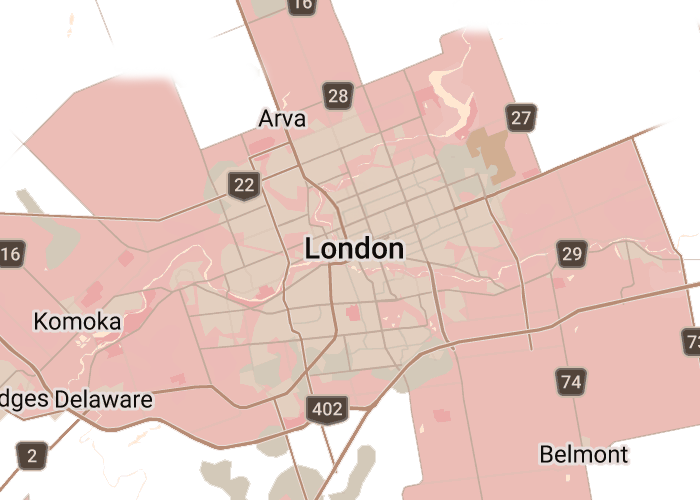

We Proudly Serve All Cities In Ontario
DUI Resources
Read Our Impaired Driving Blog
What Is the Alcohol Limit for Driving in Ontario?
Understanding Ontario's alcohol limits for driving isn't as simple as memorizing a single number. The legal limit depends on your age, licence...

What Is a Drug Recognition Expert (DRE) and How Does a DRE Evaluation Work?
Drug Recognition Experts represent a specialized enforcement tool that Canadian police use to detect drug-impaired drivers when alcohol testing...

How Long After Smoking Cannabis Can You Get a DUI in Canada?
The frustrating answer is that you can potentially face DUI charges for many hours and, in some circumstances, longer after smoking cannabis, even...
DUI Resources
Explore Our DUI Video Library

Does An Empty Beer Bottle Count As An Open Container?
You're driving home after a great weekend getaway at your best friend's house, and the police put their siren on. That did they want to do a random...

The Odds Of Obtaining A Record Suspension (Pardon) For DUI In Canada
Let's say you've got a conviction or two for impaired driving or a DUI, and you asked your lawyer, what are my odds of getting a record suspension,...

Common Reasons A DUI Charge May Be Withdrawn Before Trial
Today, I'm going to be going over with you the common reasons an impaired driving or DUI charge in Canada could be withdrawn before trial. First and...
TESTIMONIALS
What Our Clients Say
Free Consultation
Protect Your Future With The Best Defence Possible.
We have successfully defended thousands of clients facing criminal charges accross Ontario. Contact us today to receive your free meeting, consultation and quote for your criminal charge.
- Free & Confidential Consultation
- One Of Ontario’s Leading Criminal Law Firms
- Law Offices Across Ontario
- Former Prosecutors and Police Officers
- Our Law Firm Solely Handles Criminal Charges Only
- Defending Clients Charged Since 1993
Or You May Call Us For A Consultation
Call us at
1 (800) 699-0806